
Control Instruments
Modern facilities require automation solutions that respond precisely to temperature, energy consumption, and operational schedules without constant manual adjustment. Sinotimer Control Instruments deliver precision automation through integrated energy meters, temperature controllers, and programmable time switches that communicate reliably across residential, commercial, and industrial installations. Visit the official store and order the complete control system solution at the best price today.
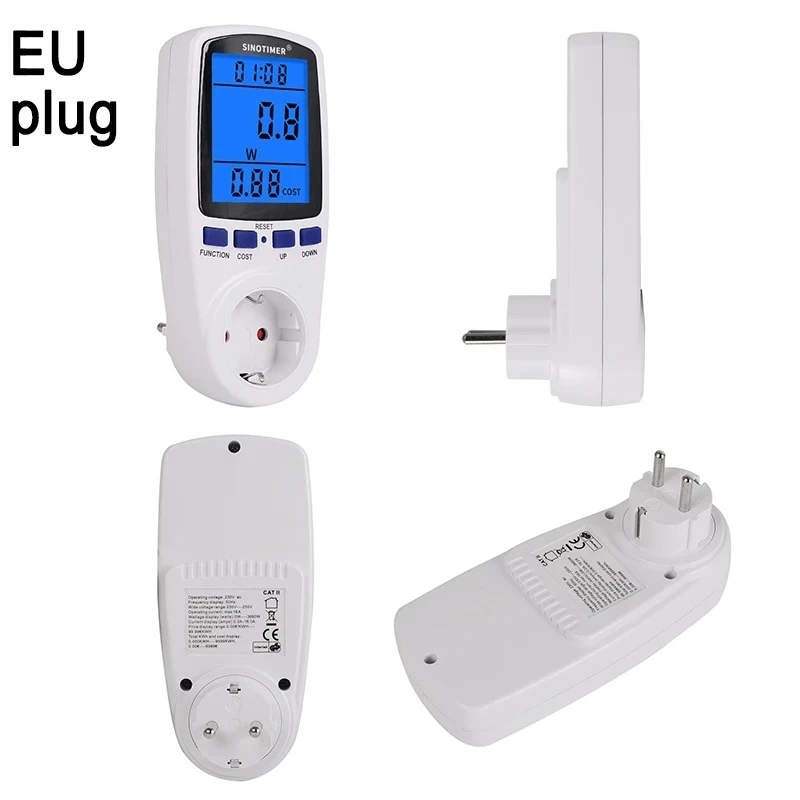
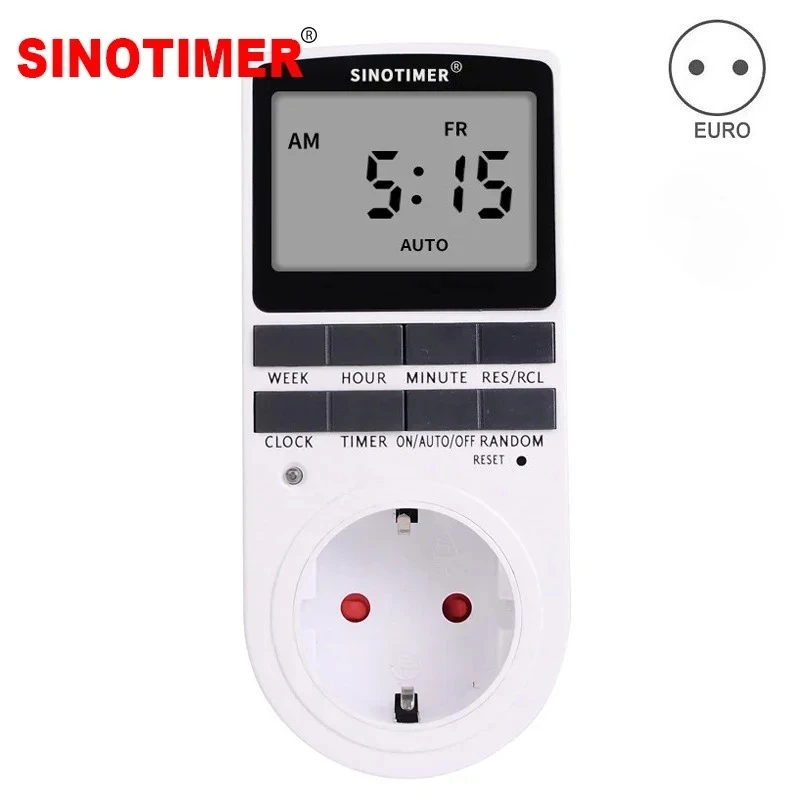
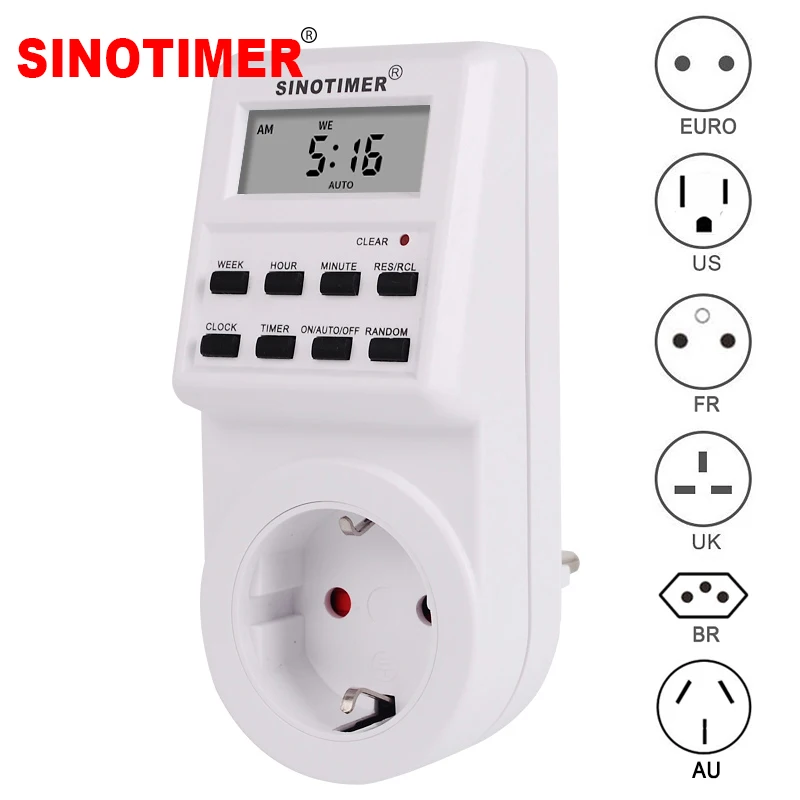
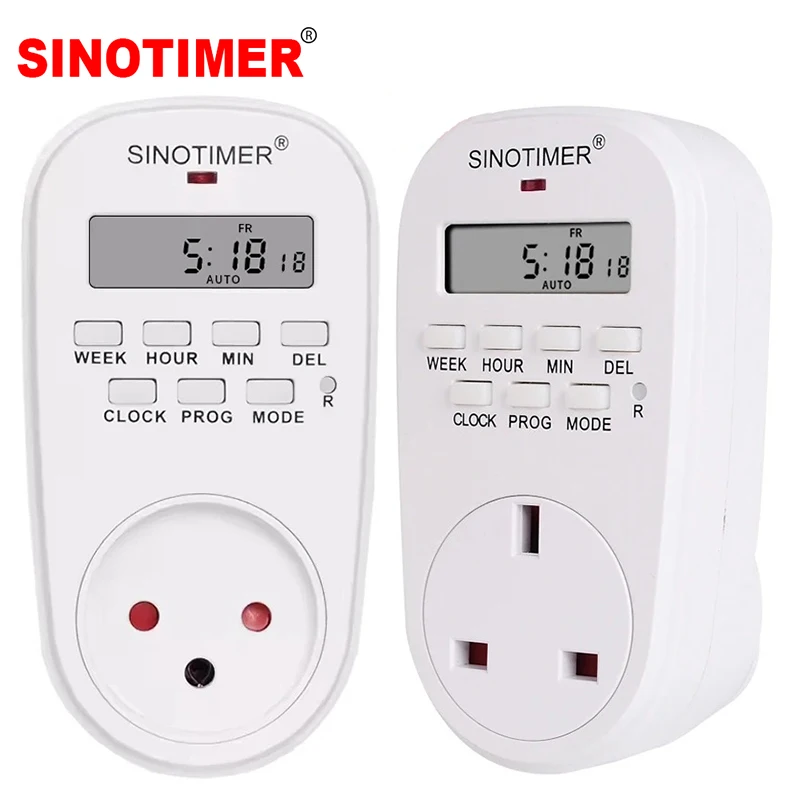
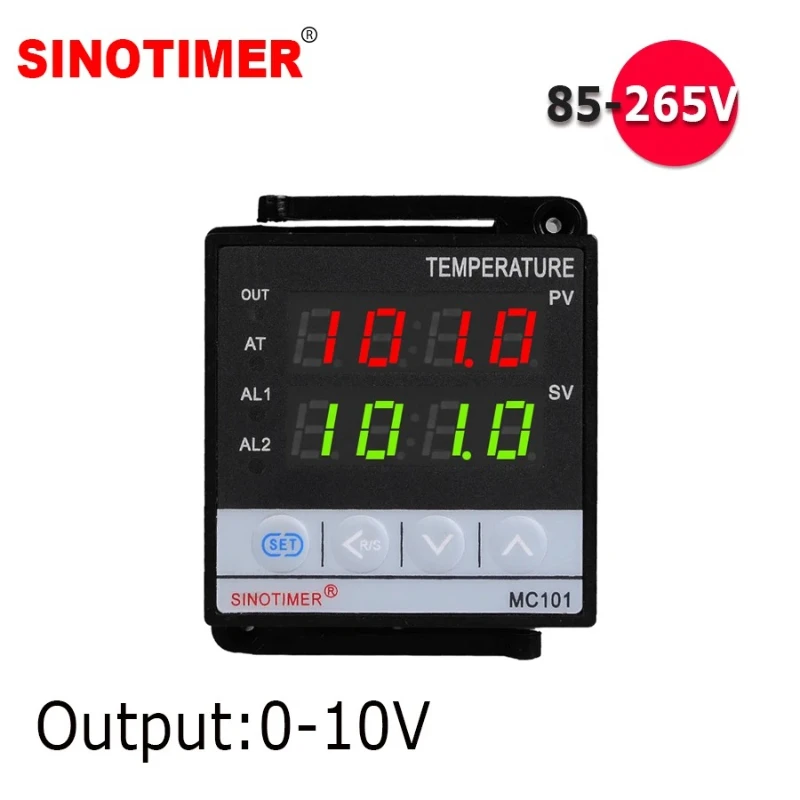
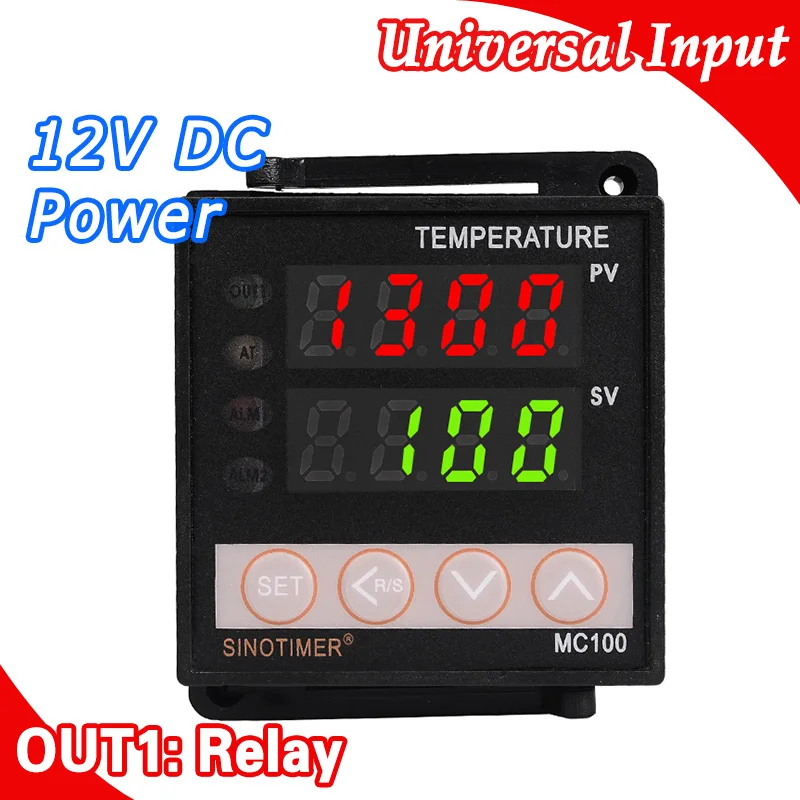
Sinotimer Control Instruments and System Integration Architecture
Sinotimer Control Instruments encompass a comprehensive family of precision automation modules designed for distributed intelligence in modern electrical systems. The product line includes energy meters for power consumption tracking, temperature controllers for HVAC and thermal process management, digital time switches for scheduled circuit operation, and electrical meter sockets providing revenue-grade measurement in residential and commercial applications. Each component communicates through standardized terminals and wireless protocols where specified, creating layered control strategies across multi-building facilities. Precision automation across these product categories enables facilities to reduce operational costs by 20 to 35 percent through demand response and predictive scheduling. Installation follows DIN rail standards, simplifying coordination with surge protection, overcurrent devices, and other electrical infrastructure. System integration requires planning input from trained technicians familiar with control signal routing and communication protocol configuration.
Precision Automation Through Digital Intelligence
Each control instrument incorporates microcontroller technology that executes complex logic routines while monitoring analog inputs from sensors and digital signals from connected devices. Temperature controller modules maintain setpoint accuracy within 0.5 degrees Celsius despite ambient temperature variations, protecting both comfort and product quality in sensitive applications. Energy meter functions track active power, reactive power, harmonic content, and power factor simultaneously, providing the detailed consumption data necessary for effective demand management. Time switch programming supports up to 20 independent schedules per week, accommodating seasonal changes and special event requirements without physical adjustment. Sinotimer Control Instruments employ watchdog timer circuits and redundant memory to prevent lock-up during power transients or unusual operating conditions. Communication interfaces support Modbus TCP, BACnet, and legacy relay protocols depending on system architecture. Factory-calibrated sensors eliminate on-site commissioning delays when standard configurations match application requirements.
Advantages Over Distributed Single-Function Controllers
Installing separate time clocks, thermostat modules, and power monitoring devices creates wiring complexity and coordination problems when devices operate from different voltage supplies or clock references. Sinotimer Control Instruments consolidate multiple functions into coordinated modules that share common timing references and operate from single supply voltage. System-wide data collection enables energy managers to correlate power consumption patterns with environmental conditions, revealing optimization opportunities invisible to standalone meters. Industrial facilities using precision automation from trusted brands experience 15 to 25 percent faster commissioning compared to sites that assemble control logic from disparate vendors. Replacement of a failed control module requires removal of a single DIN rail unit rather than multiple interconnected components, reducing downtime significantly. Technical support for integrated systems focuses on overall performance rather than finger-pointing between product manufacturers. Warranty coverage extends to coordinated operation, not merely individual component reliability.
Implementation Strategy for Control System Design
Begin by mapping facility requirements across temperature zones, load groups, and operational schedules to identify the optimal quantity and configuration of control modules needed. Verify communication protocol compatibility between selected instruments and existing building management systems before placement orders to avoid integration delays. Calculate DIN rail space requirements across all panels involved in the control strategy, accounting for surge protection and other mandatory safety components. Select temperature sensors and transducers rated for the specific application environment—laboratory environments differ substantially from manufacturing facilities or outdoor utility installations. Program time switch routines during system commissioning while documenting all schedules in facility manuals for future reference by maintenance staff. Configure alarm thresholds and data logging intervals to balance responsiveness with network bandwidth and storage requirements. Order through the official Sinotimer store to receive comprehensive documentation, programming worksheets, and access to technical specialists who understand complex multi-building control architectures.