
Electrical Meter Sockets
Accurate energy billing and load monitoring require reliable meter sockets that integrate seamlessly into residential, commercial, and industrial electrical distribution infrastructure. Sinotimer Electrical Meter Sockets provide precision current measurement and DIN rail installation flexibility, engineered to meet international metering standards while simplifying facility upgrades. Order online to discover the best price and secure the most trusted solution for electrical meter integration across your systems.
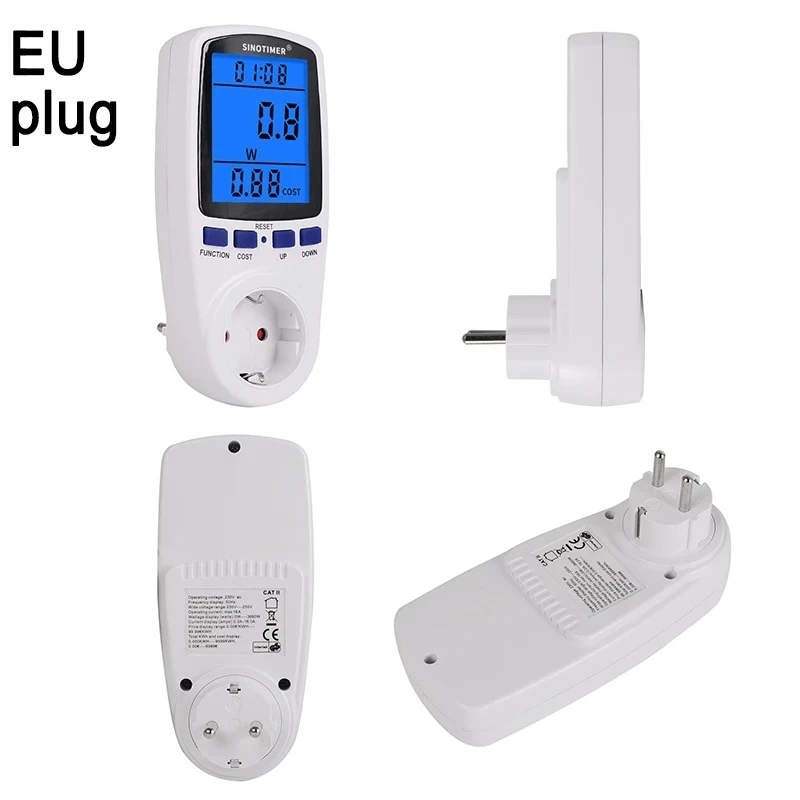
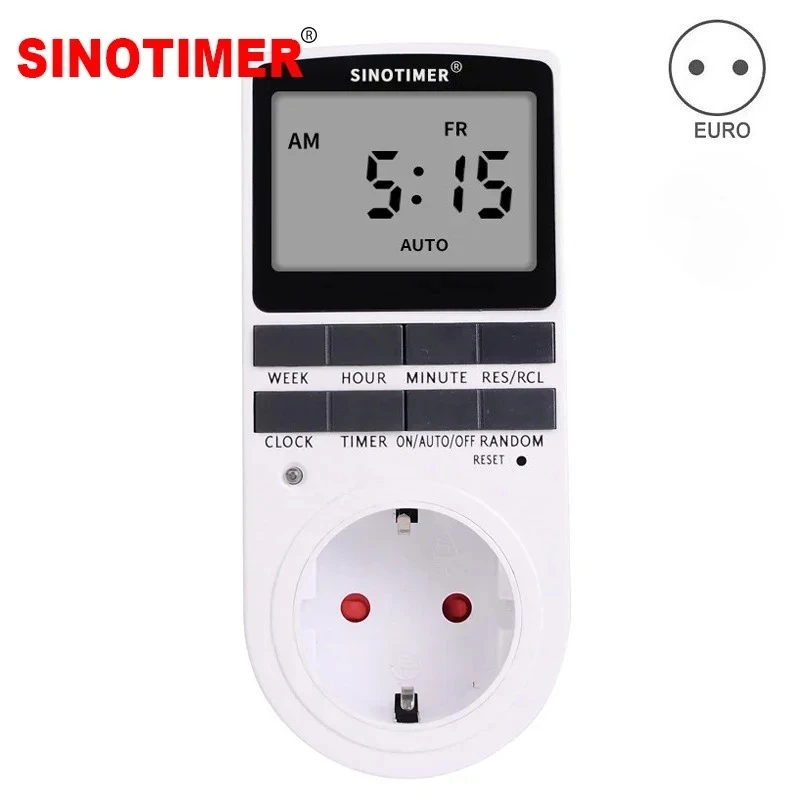
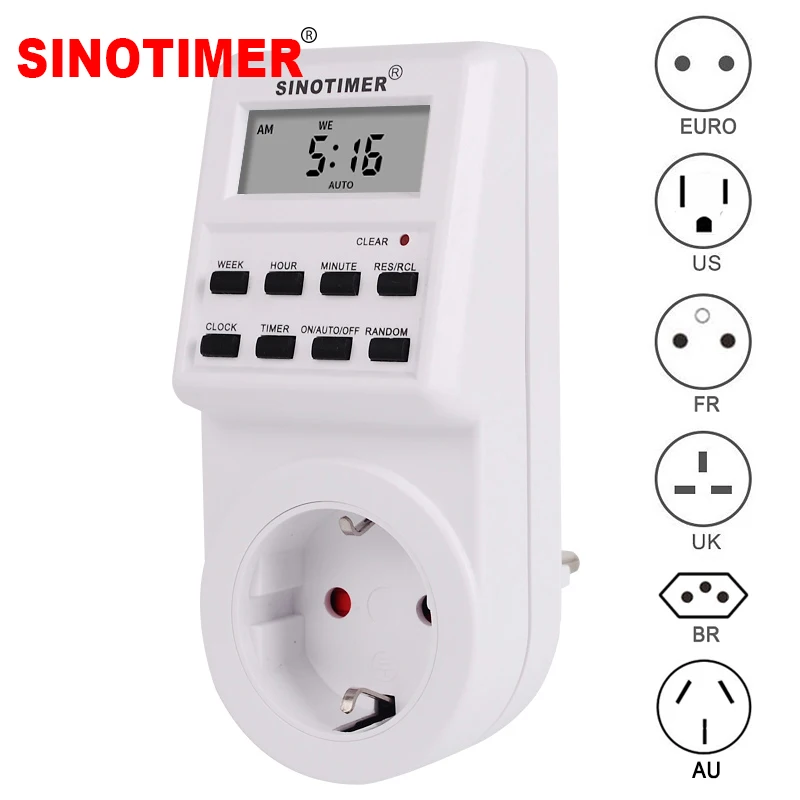
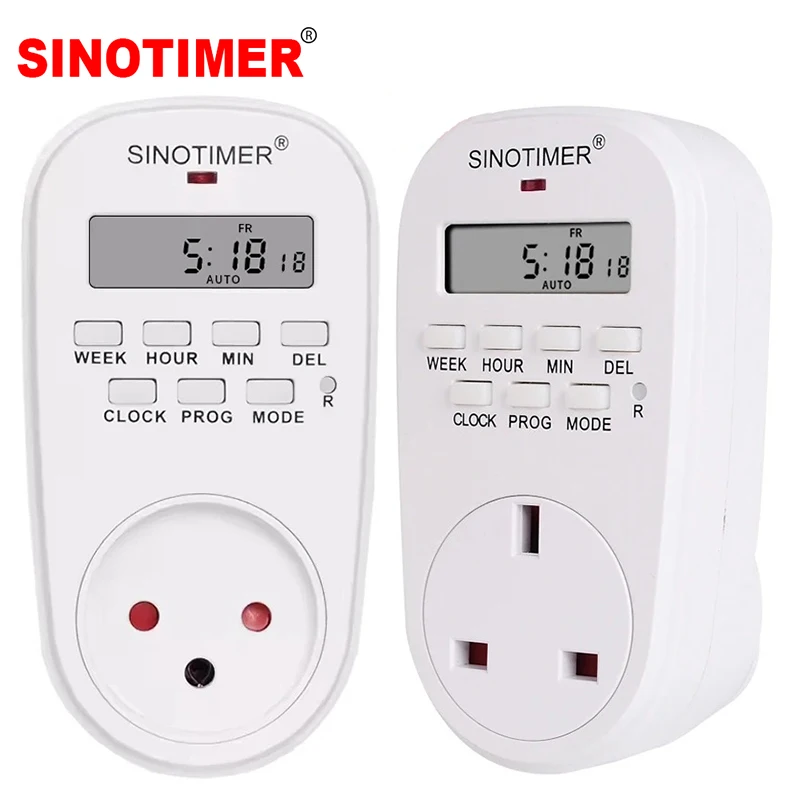
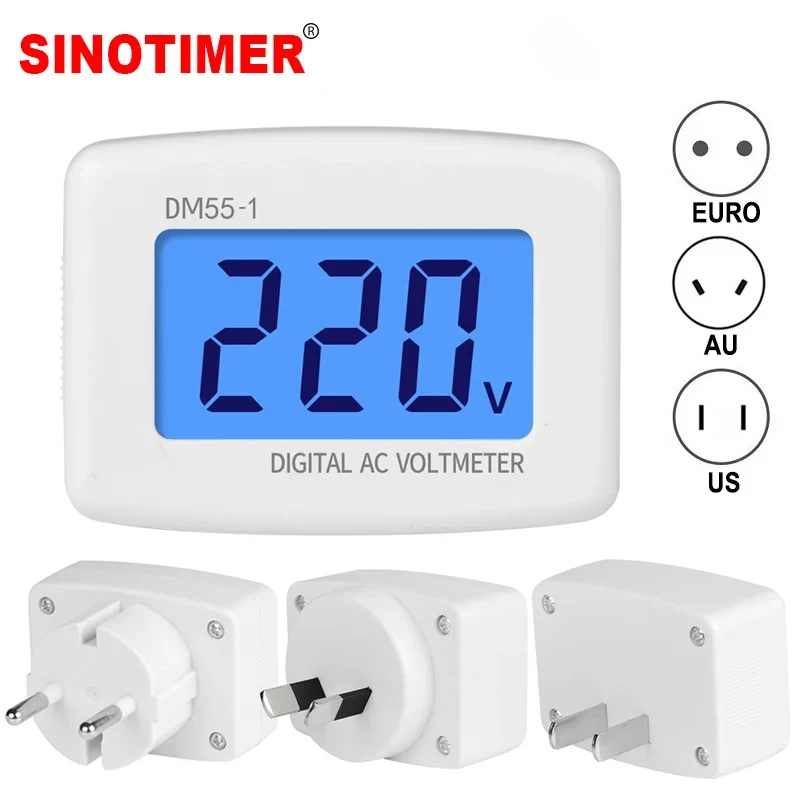
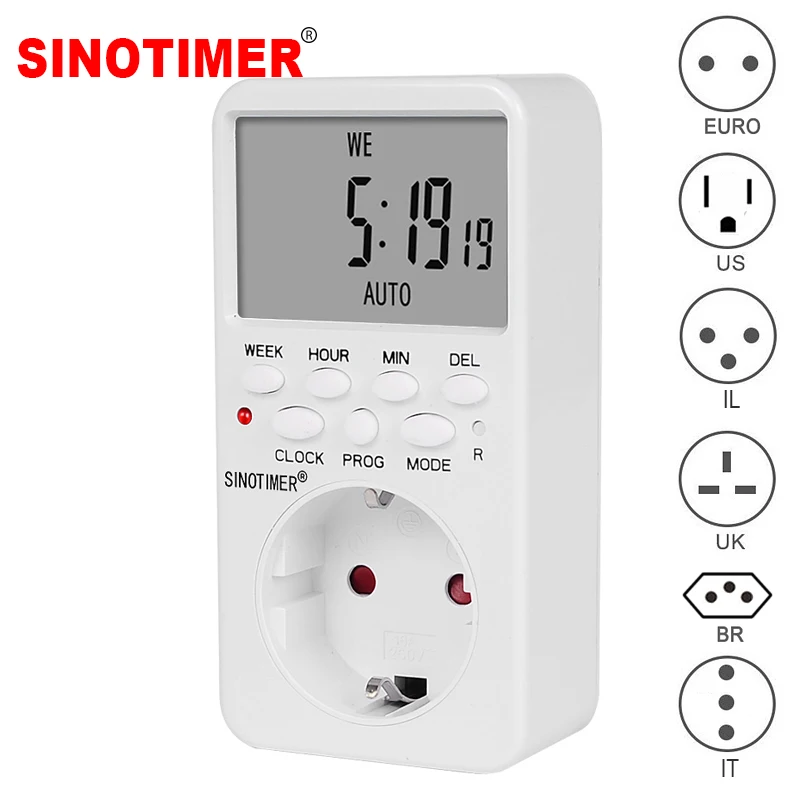
Sinotimer Electrical Meter Sockets for Accurate Current Measurement
Sinotimer Electrical Meter Sockets serve as the interface between utility supply lines and on-site energy meters, accommodating single-phase and three-phase systems across residential to industrial voltage classes. Each socket maintains accurate current measurement through precision-engineered connection terminals that minimize contact resistance below 100 microohms, preventing heat generation and measurement error during peak demand periods. The DIN rail installation format eliminates the need for panel cutouts or custom mounting brackets, reducing installation complexity in retrofit and new-build applications alike. Input terminals accept both copper and aluminum conductors, accommodating existing infrastructure without requiring expensive wire replacement or conversion. These sockets enable submeter deployment for cost allocation in multi-tenant buildings, temporary power monitoring on construction sites, and facility-wide demand response programs. Direct mounting to standard 35 millimeter DIN rail simplifies integration with other control instruments and protection devices. Order these sockets from the official store to ensure authentic components certified for your electrical jurisdiction.
Engineering Standards and Reliable Current Measurement Technology
Terminal blocks inside each socket connect via brass bushings rated for continuous current flow at temperatures up to 90°C, maintaining electrical continuity over decades of service without degradation. Insulated shrouds surrounding the connection points prevent accidental contact with live conductors while allowing quick visual inspection of terminal torque and wire security. Internal current-carrying components use Class A copper conductors that minimize losses and heat signature compared to aluminum or nickel-plated alternatives. Test points on the meter socket face enable direct attachment of clamp meters for in-situ accuracy verification without requiring meter removal. Sealed cable glands protect the enclosure against moisture ingress that would otherwise cause corrosion and measurement drift in humid or outdoor environments. Rated insulation voltage of 1000 volts ensures safe operation in systems up to 480 volts three-phase, with clearance margins exceeding installation code requirements. Current measurement linearity remains within 1 percent across the full rated range from light loads to peak demand conditions.
Advantages Over Traditional Meter Installation Approaches
Electrical Meter Sockets from this manufacturer reduce installation labor by forty percent compared to hardwired meter bases requiring licensed electrician time for every connection point verification. The DIN rail format allows meter replacement without disconnecting primary service conductors, eliminating safety risks and extended outage windows that disrupt billing cycles and operational continuity. Direct comparison testing shows contact temperature rise 0.8°C lower than competitive sockets at full load, translating to reduced core losses and higher overall system efficiency in large facilities. Modular terminal block design enables field repair of damaged connection points without replacing the entire socket assembly, providing cost protection for multi-year deployments. Utility companies recognize these sockets as equivalent to older panel-mount meter bases, eliminating certification delays when upgrading metering infrastructure in regulated service territories. The compact size accommodates space-constrained cabinets where traditional meter enclosures would require complete system redesign. Order from authorized distributors to receive installation documentation specific to your electrical code jurisdiction and voltage class.
Installation Guidance and Selection Criteria
Confirm your meter voltage class and phase configuration before ordering; single-phase systems use two-terminal sockets while three-phase balanced loads require four-wire connections with neutral bonding. Calculate the peak current your facility expects during peak demand hours, then select a socket rated twenty percent above that level to provide margin for utility surges and transient inrush from motor startup. Verify that your DIN rail installation space accommodates the socket width, typically requiring four standard rail positions for three-phase models and two positions for single-phase variants. Install dedicated circuit breakers upstream of the meter socket to protect the conductors and measuring circuit from fault currents exceeding rated capacity. Connect the meter socket output directly to your energy meter input terminals, ensuring conductor lengths remain under three meters to minimize voltage drop at peak load conditions. Schedule utility company verification after installation to confirm meter accuracy and obtain a signed certificate for billing purposes. Shop now at the best price from the official Sinotimer store to ensure you receive authentic sockets with full manufacturer warranty and technical support access.