
Energy Meters
Understanding actual power consumption requires measurement equipment that tracks energy patterns across changing loads and seasonal demand cycles without operator attention or frequent recalibration. Sinotimer Energy Meters deliver precision power monitoring through microcontroller-based measurement that records active power, reactive power, and harmonic content with accuracy meeting utility revenue standards. Shop now at the official store and order online to implement data-driven energy management at the best available price.
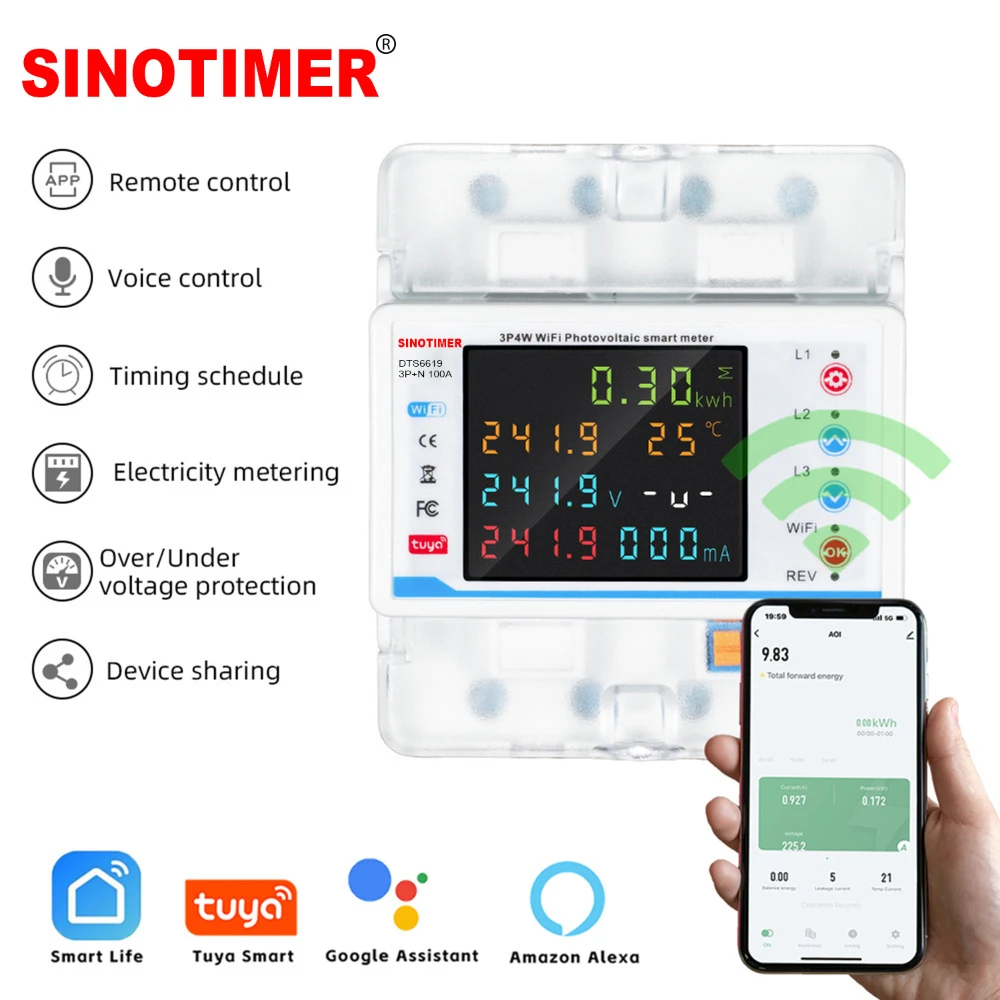
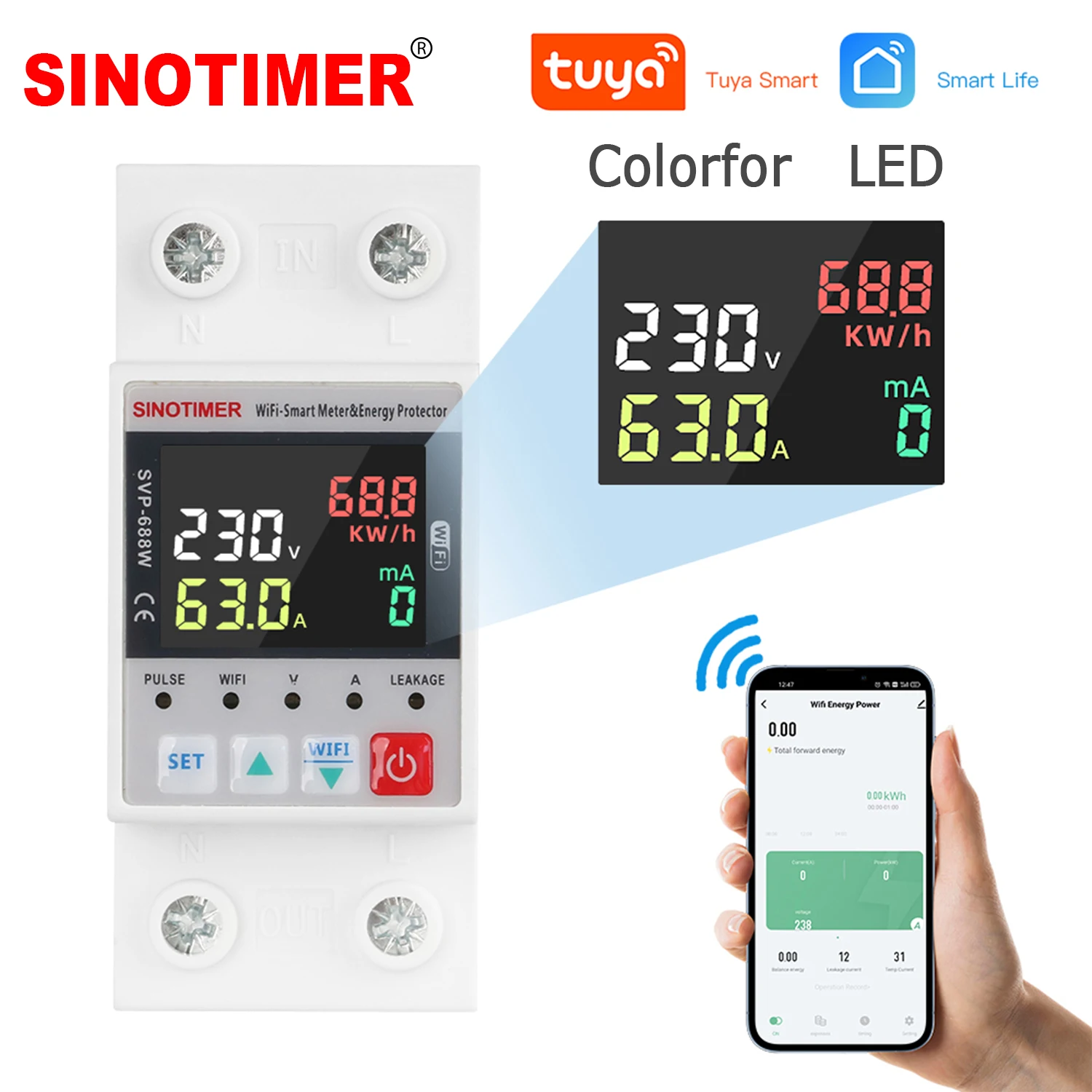
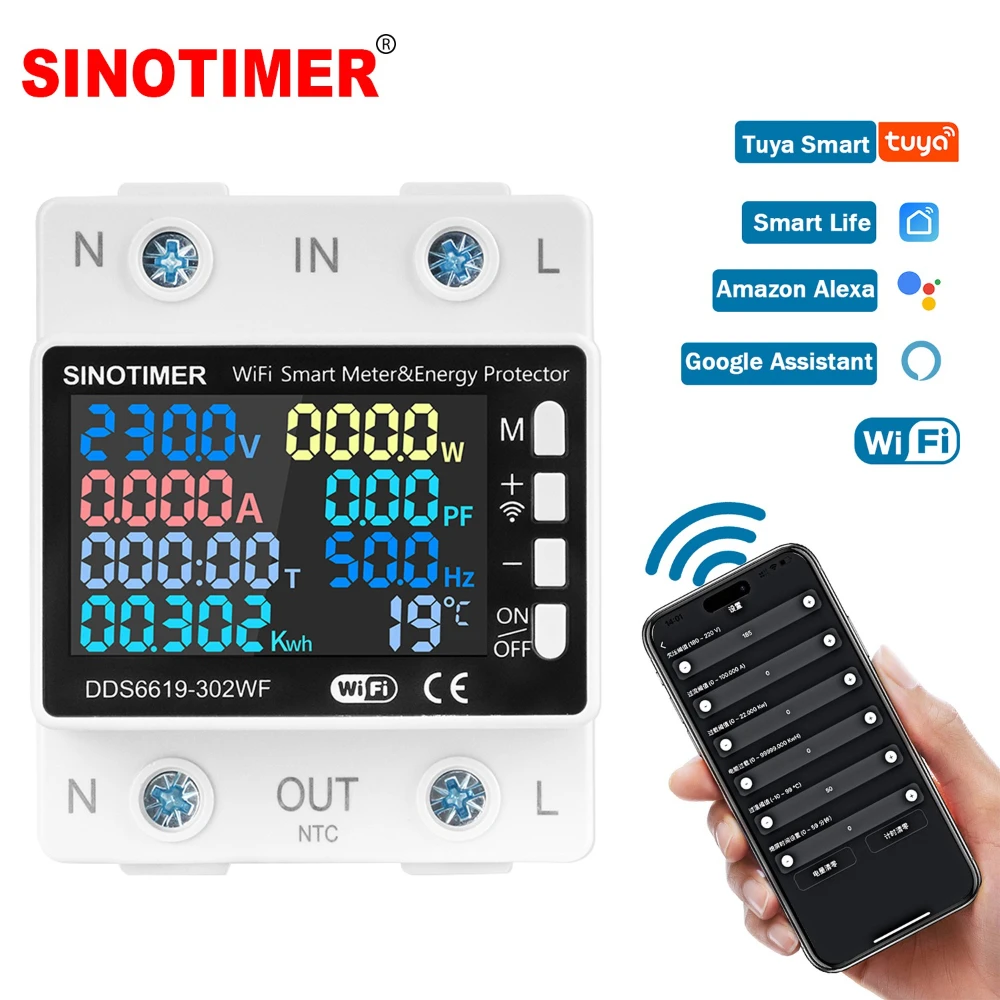
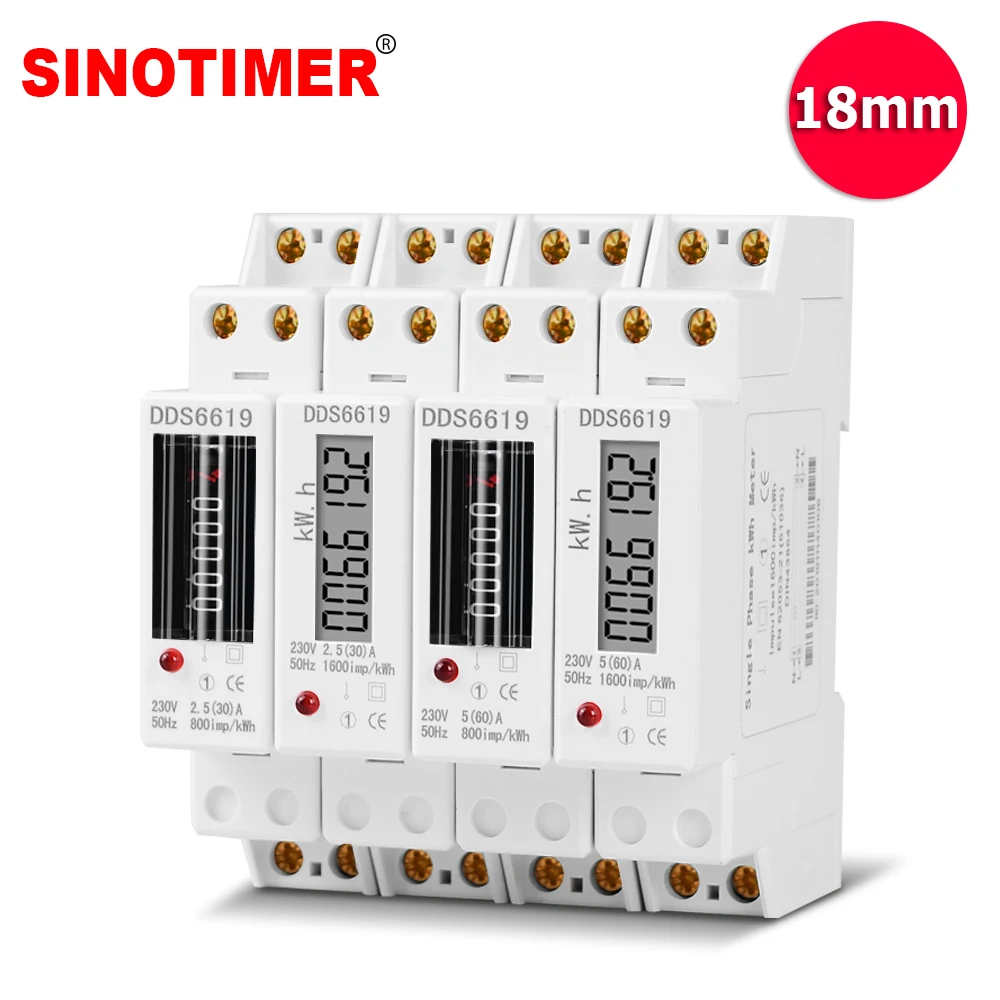
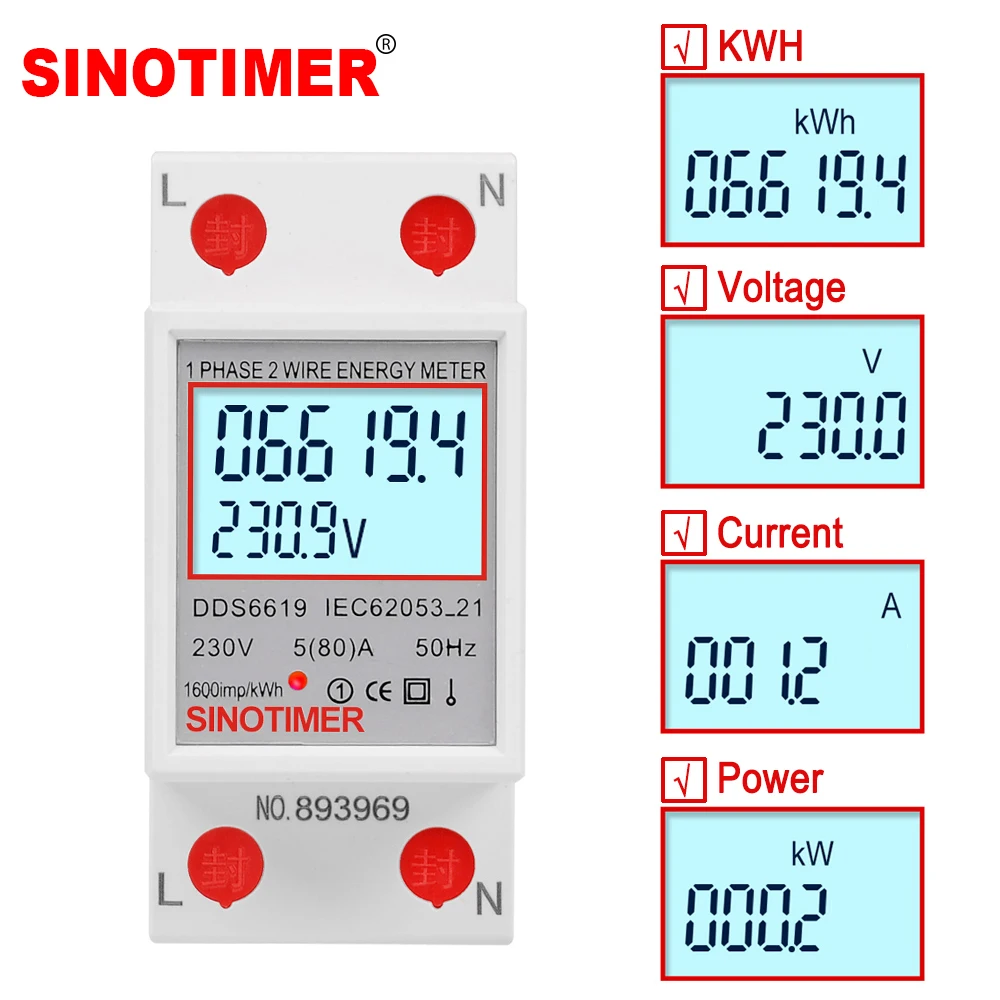

Sinotimer Energy Meters for Comprehensive Power Consumption Monitoring
Sinotimer Energy Meters mount on standard DIN rail to measure electrical power consumption in single-phase and three-phase circuits while accumulating kilowatt-hour totals and recording demand peaks across adjustable time intervals. Precision power monitoring employs integrated current transformers or external sensors depending on installation voltage class, accommodating everything from 120-volt residential circuits through 600-volt industrial distribution systems. Digital display interfaces show real-time power flow, monthly energy totals, demand readings, and power quality metrics including power factor and harmonic distortion percentage. Revenue-grade accuracy certified to 0.5 percent or better meets utility requirements for sub-metering applications where building owners must allocate costs across multiple tenants or operational departments. Data communication through pulse output, Modbus, or wireless transmission enables integration with building management systems that trend consumption patterns and identify optimization opportunities. Integral relay contacts support demand response automation, disconnecting non-essential loads automatically when facility power consumption approaches contracted limits. These instruments replace older rotating disk meters that require visual inspection and manual recording of consumption data.
Precision Power Monitoring and Energy Data Accuracy
Solid-state measurement technology in Sinotimer Energy Meters eliminates mechanical wear associated with traditional kilowatt-hour meters, maintaining accuracy throughout 20-year service life with zero maintenance requirements. Microcontroller firmware samples voltage and current signals at rates exceeding 4,000 times per second, capturing harmonic distortion components that traditional meters ignore but which represent energy losses in modern facilities filled with electronic equipment. Power factor calculation combines active power and reactive power measurements to identify circuits where inductive loads impose demand charges without providing useful work output. Energy meter functions accumulate separate readings for peak demand, off-peak consumption, and daily total flow, enabling sophisticated billing models that encourage load shifting to lower-cost utility periods. Tamper protection features prevent consumption data manipulation, with sealed memory elements containing historical records accessible only through authorized service procedures. Real-time power monitoring through communications port provides second-by-second consumption trends that reveal load variations invisible in traditional monthly utility bills. Precision monitoring enables facility managers to detect equipment failure immediately when unexpected consumption increases precede major component damage.
Why Energy Meters Outperform Simple Load Analysis
Estimating facility energy consumption from equipment nameplate ratings ignores actual utilization patterns, part-load efficiency, and seasonal variations that drive real operational cost. Sinotimer Energy Meters provide documented consumption data that eliminates speculation and enables engineering decisions backed by measured evidence rather than assumption. Utility demand charges often exceed per-kilowatt-hour consumption costs by two to three times, making demand peak reduction more profitable than overall consumption reduction. Precision power monitoring identifies specific equipment responsible for demand peaks, focusing retrofit investments where impact proves greatest. Multi-circuit energy meters distributed across facility sections reveal which operational departments consume resources most intensively, supporting accurate cost allocation and departmental accountability. Industrial facilities using trusted brand measurement systems report average annual savings of 15 to 22 percent through elimination of billing disputes and identification of unprofitable operational patterns. Building energy certifications and LEED compliance documentation require documented consumption data that only precision metering provides.
Selection and Integration of Energy Meters in Facility Systems
Determine the appropriate voltage class and current capacity for each measurement location by reviewing circuit breaker ratings and existing load profiles documented in electrical single-line drawings. Verify communication protocol compatibility with building management system software before meter selection to ensure seamless data transfer without requiring interface conversion equipment. Choose between direct connection to circuits below 200 amperes and external current transformer installation for larger loads, balancing installation cost against accuracy requirements and safety considerations. Calculate the data storage period needed based on utility rate structures and business reporting requirements—some facilities require only monthly summaries while others benefit from hourly trending across 12 months. Program demand interval duration to match utility billing cycles, typically 15-minute or 30-minute windows, enabling accurate prediction of monthly demand charges. Configure alarm thresholds for unusual consumption patterns or equipment failures, alerting facility managers to investigate problems before cascading damage occurs. Order from the official Sinotimer store to receive installation support, calibration documentation, and access to technical experts who understand energy meter networking and multi-building facility analysis.