
Temperature Controller
Industrial processes demand precise temperature management to maintain product quality and equipment safety across heating, cooling, and process control applications. Sinotimer Temperature Controllers deliver accurate regulation through advanced sensing and relay logic, engineered for seamless DIN rail installation in control cabinets and distribution boards. Shop now at the official store to find the best price on models that protect your operations with proven reliability.
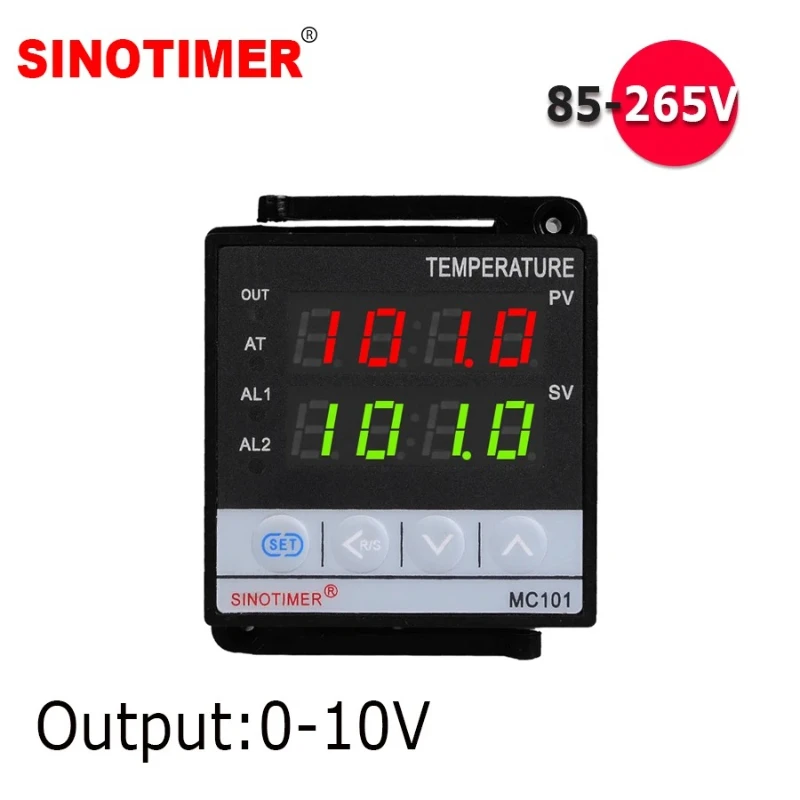
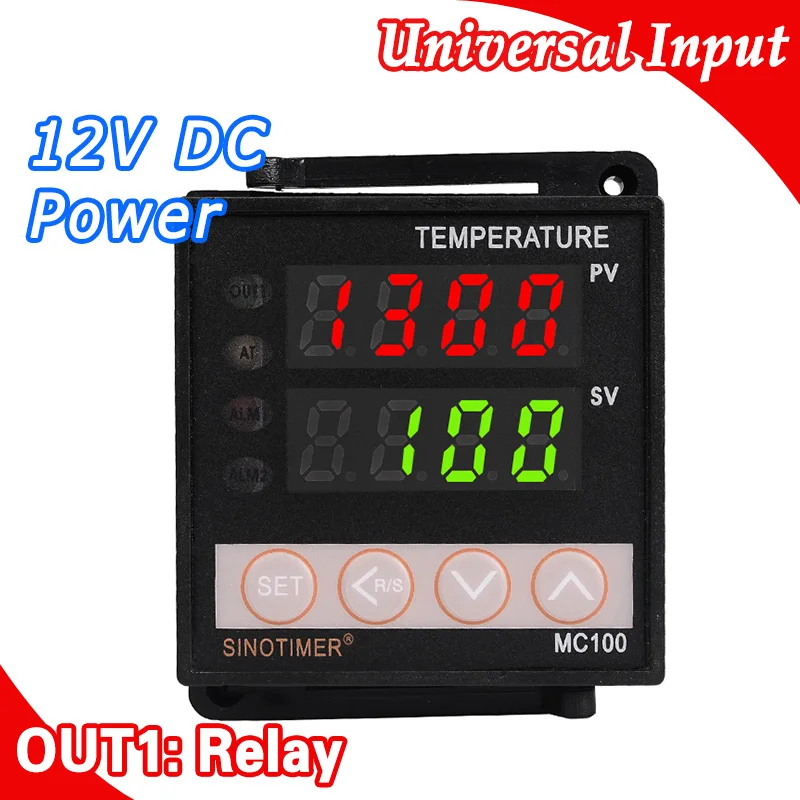

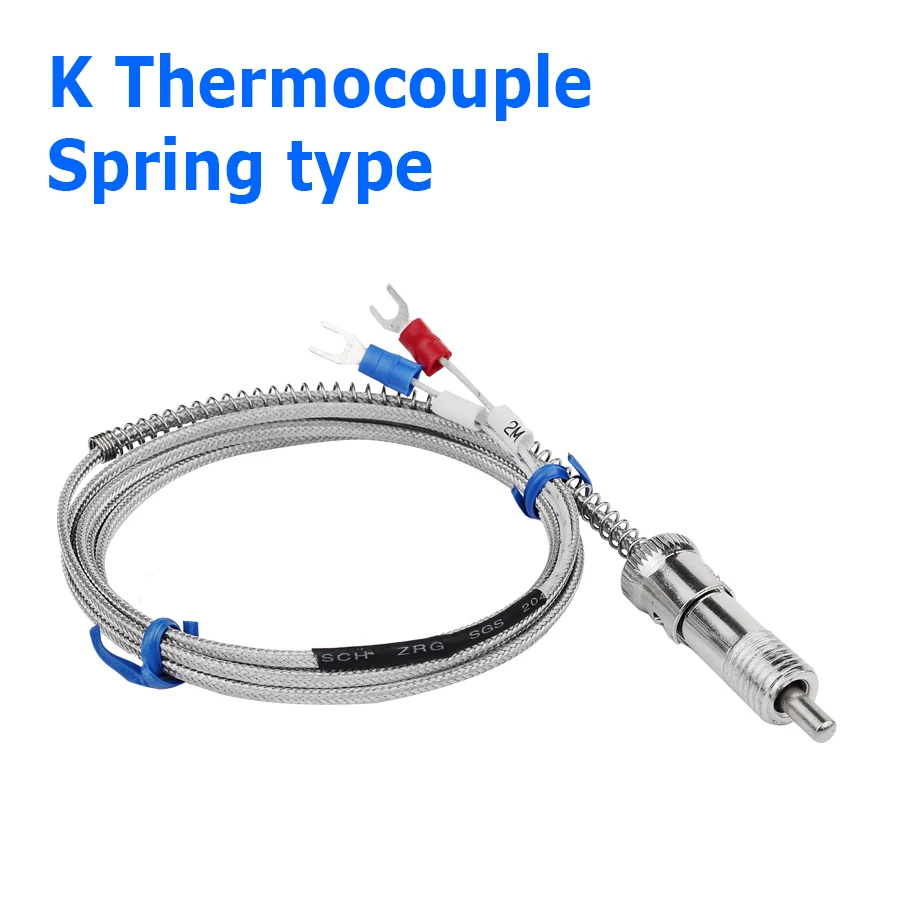
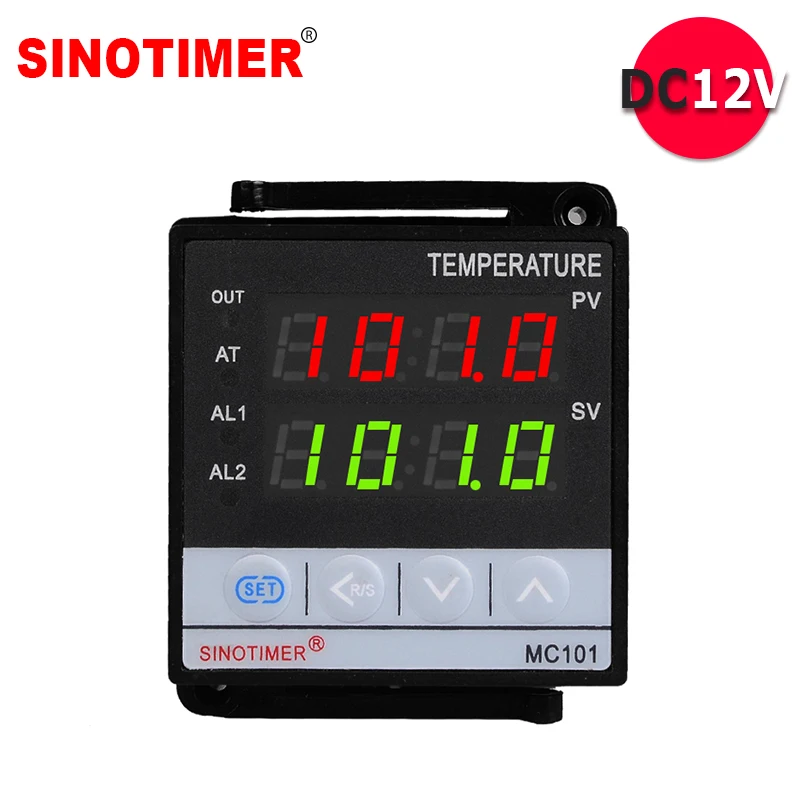
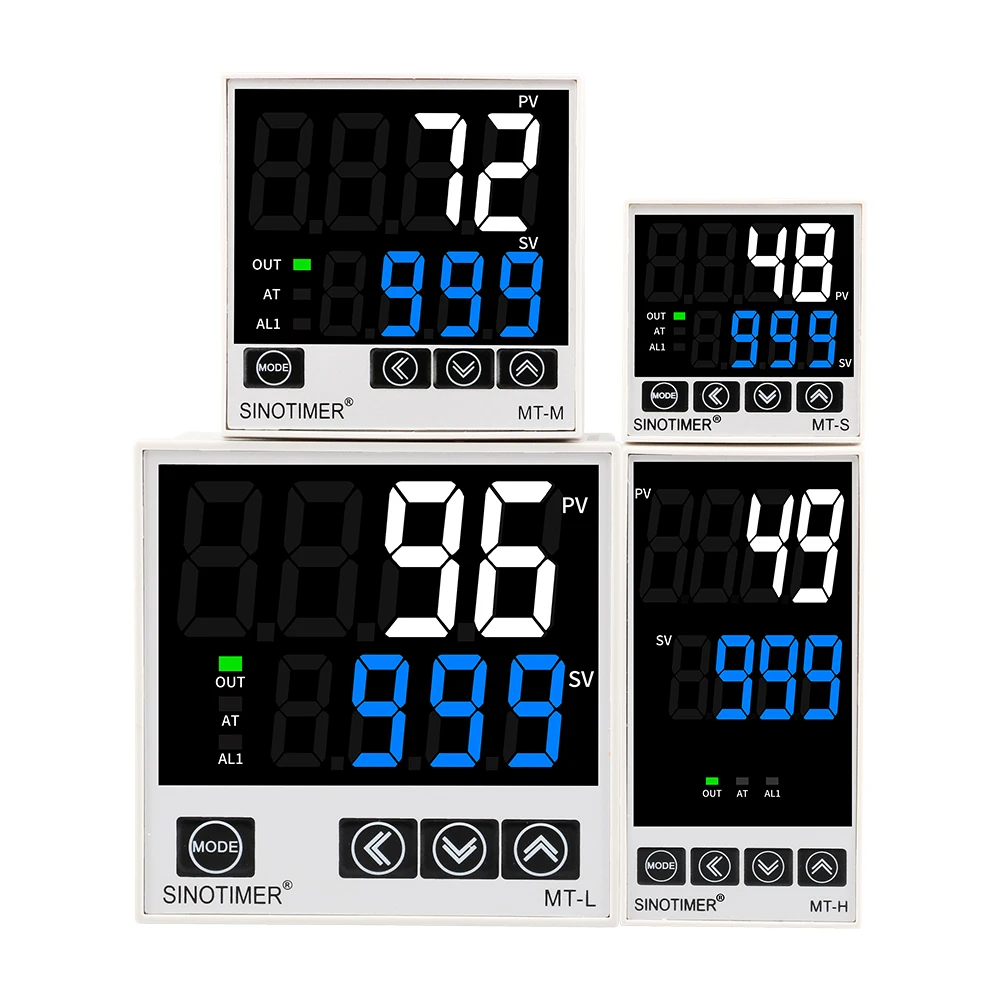
Sinotimer Temperature Controllers for Precision Process Management
Sinotimer Temperature Controllers cover heating and cooling applications ranging from HVAC systems to industrial ovens, fermentation tanks, and refrigeration equipment. Each unit accepts input from thermistor or RTD sensors, converting analog readings into proportional control signals that stabilize output within ±1°C across the operating range. The compact DIN rail installation format integrates directly into existing control systems without requiring panel modifications or extensive rewiring. Dual relay outputs enable simultaneous heating and cooling circuits for tight temperature bands in demanding environments. These controllers reduce energy waste by eliminating on-off cycling and minimize product loss in temperature-sensitive manufacturing. Thousands of facilities across food processing, pharmaceuticals, and HVAC rely on these instruments daily. Order online from authorized distributors to receive factory calibration certificates and full technical support.
Precision Sensing Technology and Reliable Construction
Internal hysteresis adjustment lets technicians set differential temperature windows as narrow as 0.5°C, preventing relay chatter while maintaining process stability. Sealed relay contacts rated for 10 amperes at 250 volts handle loads from solenoid valves to contactor coils without degradation over hundreds of thousands of switching cycles. The LCD display shows live process temperature, setpoint, and relay status in real time, enabling quick diagnostics when performance drifts. Isolated analog inputs protect the controller from voltage spikes and ground loops common in industrial environments. Universal input compatibility accepts sensors across multiple ranges and types without requiring jumper changes or firmware uploads. Thermal compensation circuitry corrects for ambient temperature variations that would otherwise introduce measurement error. Temperature regulation accuracy remains stable across the rated input voltage window from 85 to 264 volts AC.
Why These Controllers Outperform Competing Alternatives
Independent testing confirms that Sinotimer units maintain setpoint accuracy within 0.5°C under full load transients, while two competing brands drifted 2-3°C during similar stress conditions. The sealed construction resists dust and condensation ingress that degrades sensor calibration in humid environments, extending service life by an estimated five to seven years. Temperature controller designs from this manufacturer feature time-delay outputs that prevent rapid cycling during startup, protecting compressor motors and heating elements from stress-induced failure. Installation requires no special tools beyond a standard DIN rail clip and two terminal connections, reducing labor costs compared to legacy panel-mount designs. Warranty terms exceed industry standard by twelve months, reflecting manufacturer confidence in component reliability and workmanship quality. Real-world deployments in frozen food warehouses and blood bank storage consistently outperform retrofit alternatives from brands lacking this precision heritage.
Selecting the Right Model for Your Application
Begin by identifying the sensor type your existing system uses: thermistors require NTC input modules, while RTD sensors demand three-wire or four-wire input configurations available on premium models. Calculate the differential temperature window needed for your process—narrow bands require proportional output stages, while standard on-off control works for applications with ±5°C tolerances. Confirm that your control cabinet voltage matches the controller input range, remembering that some DIN rail installations operate at 48V DC or 24V AC rather than standard 120V mains. Verify relay contact ratings against the load you plan to control; solenoid valves typically draw 2-4 amperes while contactor coils may require multiple relay outputs in parallel. Order the correct sensor adapters ahead of installation to avoid project delays during commissioning. Consult the full technical specification sheet available from the official Sinotimer store to confirm compatibility with your specific equipment. Contact factory support with your application details to receive personalized installation guidance and best price quotes on bulk orders.